
Featured Snippets & AI Overviews: When zero is the highest number

What if I told you that being #1 on Google isn’t the real win? In SEO, the best position is actually #0!
In this article, I’ll share how my content strategy helped clients land featured snippets, the digital crown jewel of search results.
And I will talk about the coolest new kid in the realm of SEO, the AI overviews.
What is a featured snippet?
A featured snippet is the short, boxed answer Google displays above all search results. It’s what you see when you ask a question like ‘What is content marketing?’ and Google gives you an answer without even clicking a link.
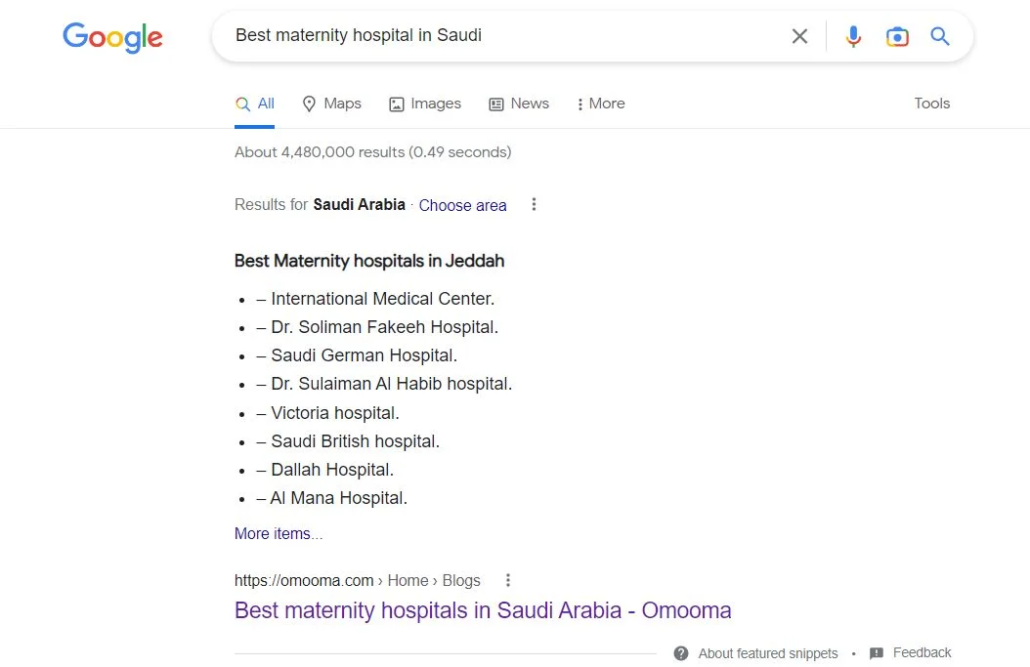
From Featured Snippets to AI Overviews
Google is shifting from static featured snippets to dynamic AI overviews, where answers are generated by large language models and enriched with multiple sources. Instead of showing just one short box at the top, AI overviews combine information, highlight entities, and personalize results.
For content creators, this means:
- You’re no longer only competing for Position Zero, but also for inclusion in AI-generated summaries.
- Depth, authority, and context matter even more. AI favors topic coverage over keyword stuffing.
- Structured data, clear Q&A formats, and authoritative linking increase your chance of being cited in AI overviews.
- Think of featured snippets as the stepping stone, and AI overviews as the new crown jewel in search visibility.
It starts with the content
Content is indeed King, but the user is the emperor! Writing high-quality content that is relevant to the users and answers their queries and needs is the essence of a successful content marketing strategy.
Start by understanding the users, their search behavior, and their needs. Then create the content they need to solve their issues and satisfy their curiosity. We all resort to search engines and AI to ask questions and want clear, detailed answers, so be the content creator who gives that to the user.
There is a huge misconception about content and SEO, many think that great content that appears on top of search results is content written to please the crawlers and the indexing bots. While it is important to adhere to the technical standards of a search engine, the most important aspect of a good piece of content is that it is written for the user first! How you ask, here is my secret recipe that hasn’t failed me for years:
Understand the user
- Start by drafting a user persona based on the data and research accumulated by your sales and marketing team.
- Then, understand the user’s pain points.
- Do a thorough keyword research using a variety of tools; SEMrush, Google, and Ask the AI too, they have some insightful information and can save you a few hours of research. Don’t rely on a single source, put all this data on a clean sheet, and read between the lines; you will have a clear view of what your user needs.
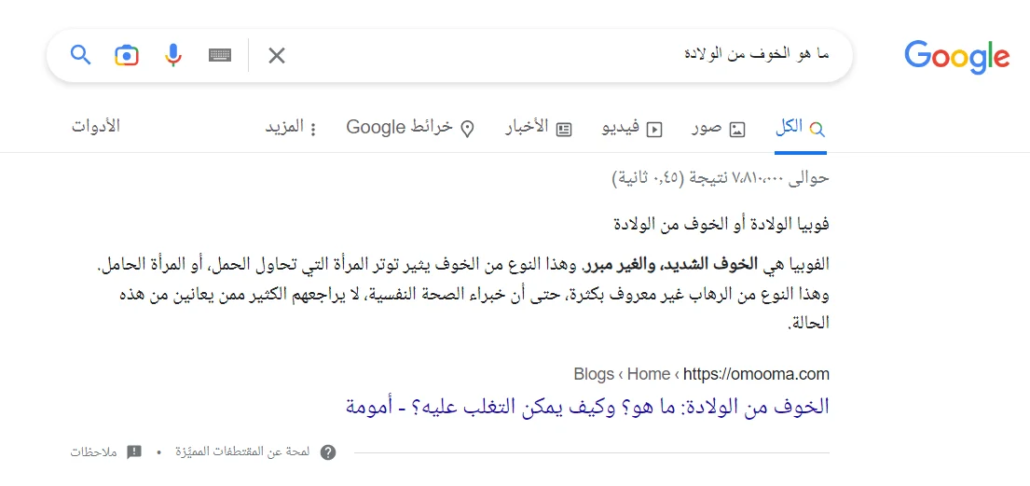
Write
- Write the content that solves the user’s problems and answers the exact questions they’re typing into Google.
- Use clear headers and bullet points
- Answer specific questions concisely
- Use schema markup (if applicable)
- Keep paragraphs short and scannable
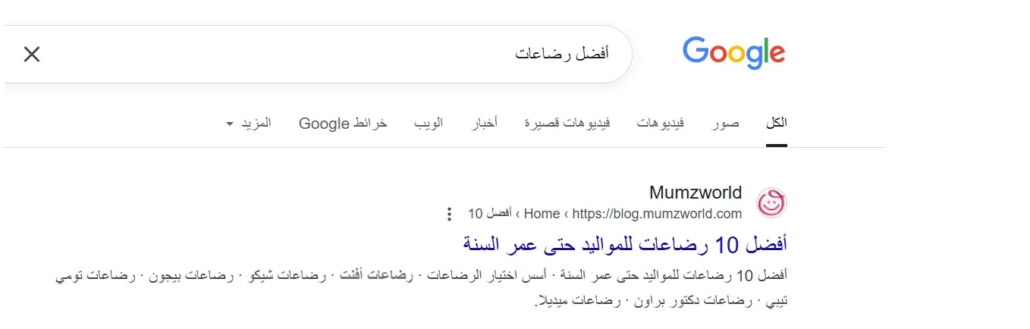
My 3-Step Snippet Strategy
- Research what users are asking
- Structure answers in simple, scan-friendly formats
- Optimize in Arabic, for Arabic readers (not just translations), and in English when the user uses English to search the search engines or the AI.
Results
Within 3 weeks to one month, some of my blog posts hit position zero and organic clicks doubled. To my surprise, sometimes I would write without having position zero in mind, I would just write content based on a personal experience that highly resonates with my audience, and see magic unfold: an increase in organic traffic and a featured snippet, and sometimes two for the same article!
My AI Overview Strategy
Google’s new AI-powered results don’t stop at one short answer box; they combine information from multiple trusted sources, summarize it, and serve it directly to the user. That means showing up in search today isn’t just about aiming for position zero; it’s about being part of the AI’s narrative.
So how do you do that? Here’s my playbook:
- Cover topics deeply, not just keywords. AI overviews reward content that explains the “why” and “how,” not just the “what.” When your article answers questions from every angle, the AI has no choice but to pick you up.
- Focus on entities, not just phrases. Mention related concepts, tools, people, and brands; these connections help the AI understand authority and context.
- Write for humans, format for machines. Use clear headers, lists, and short answers that are scannable. This helps AI parse your content quickly and quote it directly.
- Stay bilingual, stay relevant. Just like with snippets, I optimize in Arabic and English depending on how users search. AI is learning fast in both languages, and brands that speak in their audience’s language will win.
Want your content to show up at the very top of Google? Let’s talk. I help brands turn blog posts into traffic machines by aiming for the spot that matters most, position zero.


Leave a Reply
Want to join the discussion?Feel free to contribute!