
Tell a story your customer wants to hear

Storytelling has been part of human civilization for centuries. We have seen it evolve from cave drawings, to grandmothers telling stories to their grandchildren, to guests telling inspiring stories in a podcast, and marketers using stories to sell a product through reels, carousels, and blog posts. Even though storytelling is a powerful marketing tool and an essential means of communication, not all stories are created equal! In this article, I will discuss the importance of storytelling in content marketing and how to choose the best story for your customer.
The story of your brand
When launching a new brand or a new product, the best way to introduce it to your potential customers is through a narrative they can relate to. This is, of course, done after achieving the number one commandment of content marketing: “Understand Your Audience”. Once you are done researching your customer, and learn their needs and pains, and identifying their online behavior, start crafting the story of your brand in a way that your customer can resonate with.
When I started the brand awareness campaign for Omooma.com, I wrote a series of well-crafted stories around the brand values, importance, and how it serves the target audience, i.e., young mothers and moms-to-be in the MENA region.
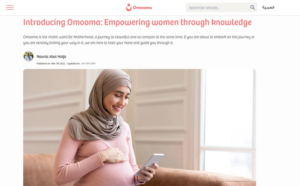
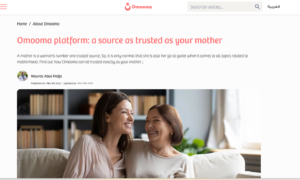
Results? Increase in traffic and conversion in the first few weeks of launching the website.
The articles didn’t just introduce the brand but reflected a clear understanding of the users, their needs, pain points, and the expertise and authority the brand has to offer to solve them.
I later introduced the entire female team that stood behind the brand to increase the users’ trust and to raise the brand’s credibility.
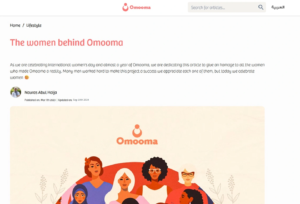
This article was a celebration, dozens of small stories to tell one big story that this is a brand for women, by women.
Data-Driven storytelling
People love numbers; we just trust any text with stats and numbers. I used data-driven storytelling to craft several articles that promoted mother and baby products. No, I didn’t just throw random numbers; I resorted to credible sources, about babies’ safety during car crashes, preventing SIDS, and how breastfed babies had stronger immune systems. Just to name a few examples. The result: products shared in those articles sold like hot cakes on a weekend 😊
User-centered Storytelling
It takes a great deal of altruism to write such a piece of content. You will have to remove the brand and the products you want to sell from this type of content and build it entirely around the user.
Start by drawing an image of your user, we marketers call it a user persona, it includes demographic data, challenges, needs, consumer behavior, and online behavior (So that you market your narrative through the right channel). Imagine telling a story to Gen Z users on Facebook 😊
After this understanding, tell the story to your user, and tell it also from your user’s point of view while presenting an issue and the needed solutions, tips, or products.
Conclusion
Storytelling is more than just a content trend; it’s a timeless strategy that builds connections, trust, and drives action. Whether you’re telling the story of your brand, using data to support your claims, or centering your narrative around your users, the key is to be intentional and authentic. When your customer sees themselves in your narrative, they’re far more likely to listen and to act.
Ready to tell a story your audience won’t forget? Let us help you craft it.
We are Fann Digital Experts in turning data into compelling narratives to turn your readers into loyal customers. Don’t Wait! Contact us now!


Leave a Reply
Want to join the discussion?Feel free to contribute!